In the restaurant industry, timing is everything. A customer who calls is often ready to act, whether they want to reserve a table, place a takeout order, or ask a quick question before deciding where to dine.
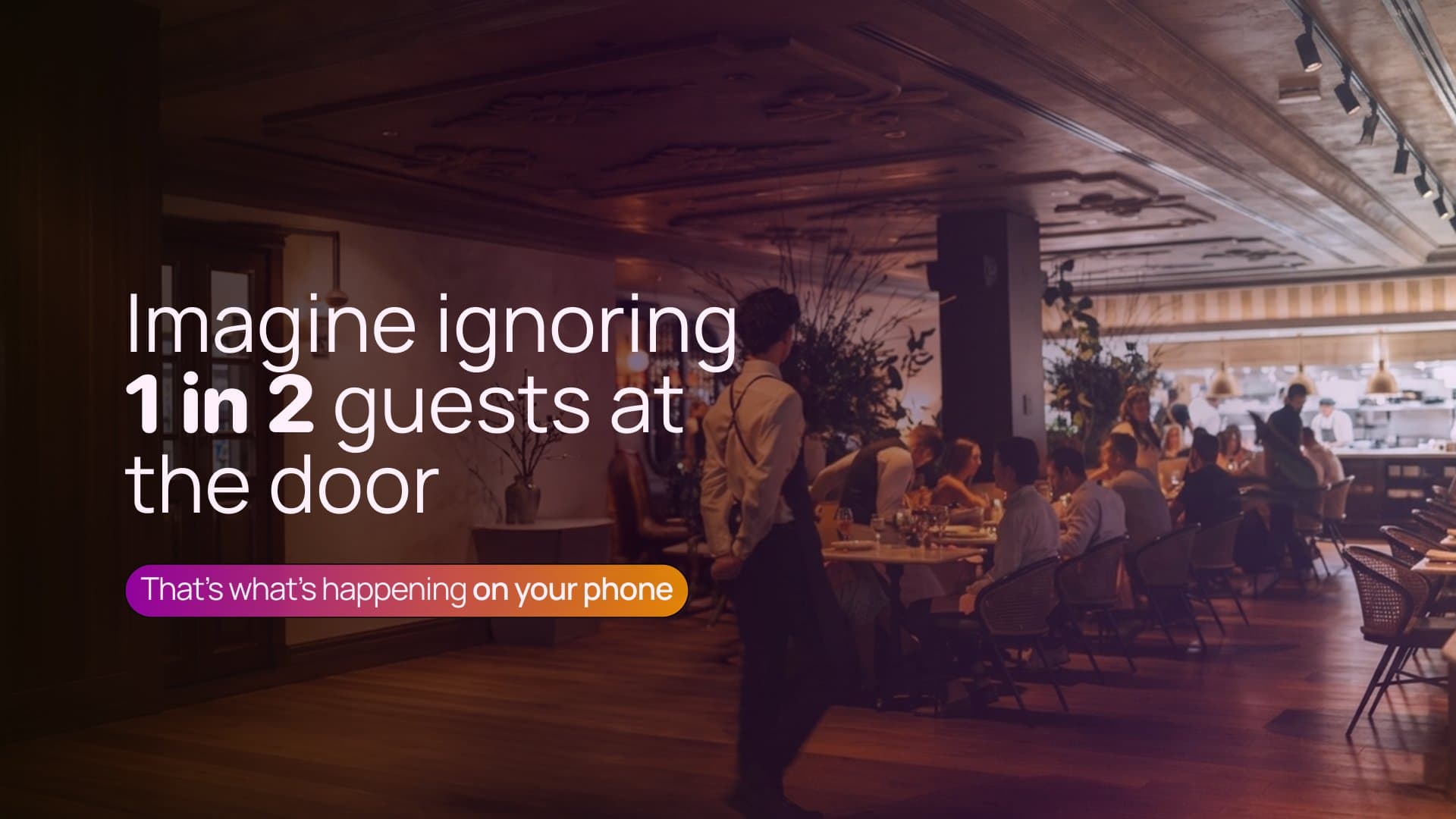
But during busy service hours, answering the phone isn't always easy. Staff members are managing guests, coordinating the kitchen, and keeping operations running smoothly. When the phone rings repeatedly during peak times, missed calls become almost inevitable.
The problem is that each missed call may represent a lost opportunity. Understanding how restaurants can stop losing customers to missed calls begins with identifying why calls are missed in the first place and how modern tools can help solve the issue without adding pressure to your team.
Why Restaurants Miss Customer Calls During Their Busiest Hours
In most restaurants, service periods are fast-paced and demanding. Staff members juggle multiple responsibilities at once, from seating guests to coordinating orders and communicating with the kitchen.
One major factor behind missed calls is high call volume during service hours. Dinner rushes, weekend brunch, and holiday evenings can generate more phone inquiries than staff can realistically manage while maintaining great in-person service.
Another common issue is staff multitasking in busy restaurants. Servers, hosts, and managers are constantly moving between responsibilities. Answering the phone may require stepping away from guests or interrupting other tasks, which creates operational friction.
As a result, calls may go unanswered—not because the restaurant doesn't care, but because the team is already fully engaged delivering the dining experience.
How Missed Calls Quietly Impact Restaurant Revenue and Guest Satisfaction
While a missed call might seem minor in the moment, its impact can accumulate quickly over time.
The most obvious consequence involves lost reservations and takeout orders. Many customers still prefer calling restaurants directly to secure a table or confirm pickup details. If the call isn't answered, they may simply contact another restaurant nearby.
There's also the issue of customer frustration and abandoned calls. In a world where people expect fast responses, unanswered calls can create the impression that the restaurant is unavailable or disorganized.
For restaurants operating in competitive markets, these small missed opportunities can translate into measurable revenue loss—and missed chances to build loyal relationships with new guests.
How an AI Call Assistant for Restaurants Handles Guest Requests Instantly
To solve this challenge, many restaurants are exploring the use of an AI call assistant for restaurants that can respond to guests automatically.
These systems work alongside the restaurant's phone line to ensure that every incoming call receives a response, even when the staff is busy serving guests.
One of the most valuable features is automated reservation handling. Instead of letting calls ring unanswered, an AI assistant can guide callers through reservation availability and capture booking details quickly.
Another important capability involves real time responses for restaurant inquiries. Guests often call with simple questions about hours, menu items, dietary options, or location details. AI-powered assistants can answer these instantly, allowing staff to remain focused on in-house service.
By handling routine calls, the system helps restaurants stay responsive without increasing workload.
How Virtual Receptionists Improve Restaurant Operations Behind the Scenes
Beyond answering calls, technology can also support smoother operations across the entire restaurant.
Using virtual receptionists improve restaurant operations by creating a communication buffer between guest inquiries and the busy dining room environment.
One operational benefit is reducing interruptions in the kitchen. When calls are filtered and managed automatically, chefs and kitchen staff can focus on food preparation without constant disruptions.
Another advantage involves better staff focus during peak hours. Hosts and servers can dedicate their attention to guests in the restaurant instead of switching repeatedly between phone calls and service tasks.
This creates a more efficient workflow, improving both team productivity and guest satisfaction.
Why a Restaurant AI Phone Answering System Captures Every Opportunity
Ultimately, the goal is simple: ensure that every guest who reaches out receives a response.
A restaurant AI phone answering system makes that possible by keeping communication channels open at all times, even during the busiest moments of service.
One of the key benefits is capturing every customer call automatically. Instead of relying entirely on staff availability, the system ensures that no inquiry goes unanswered.
Another advantage is scalable communication for growing restaurants. As restaurants expand their customer base, call volumes often increase as well. AI-powered answering systems can adapt to this growth without requiring additional front-of-house staff.
For restaurant owners, this means fewer missed opportunities and a more consistent guest experience.
Turning Every Call Into a Better Guest Experience
Missed calls are often an invisible problem in restaurant operations. They happen quietly in the background but can influence reservations, takeout orders, and customer perception.
By integrating an intelligent phone answering solution, restaurants can stay responsive without overloading their staff.
Tools like RestoHost AI help ensure that every guest inquiry is answered quickly, every reservation opportunity is captured, and every team member can focus on delivering a great dining experience.