In today's competitive dining landscape, a restaurant's reputation is shaped long before a guest ever walks through the door. Online reviews, ratings, and word of mouth play a critical role in where people choose to eat. What many restaurant owners don't realize is how closely reputation is tied to something deceptively simple: how incoming calls are handled.
This is where restaurant reputation management AI becomes increasingly relevant. By addressing missed calls, inconsistent communication, and customer frustration early, restaurants can protect their reputation while improving the overall guest experience.
At RestoHost AI, we see firsthand how smarter call handling changes not just operations, but how guests feel about a brand.
Missed Calls and Negative Reviews: The Hidden Connection
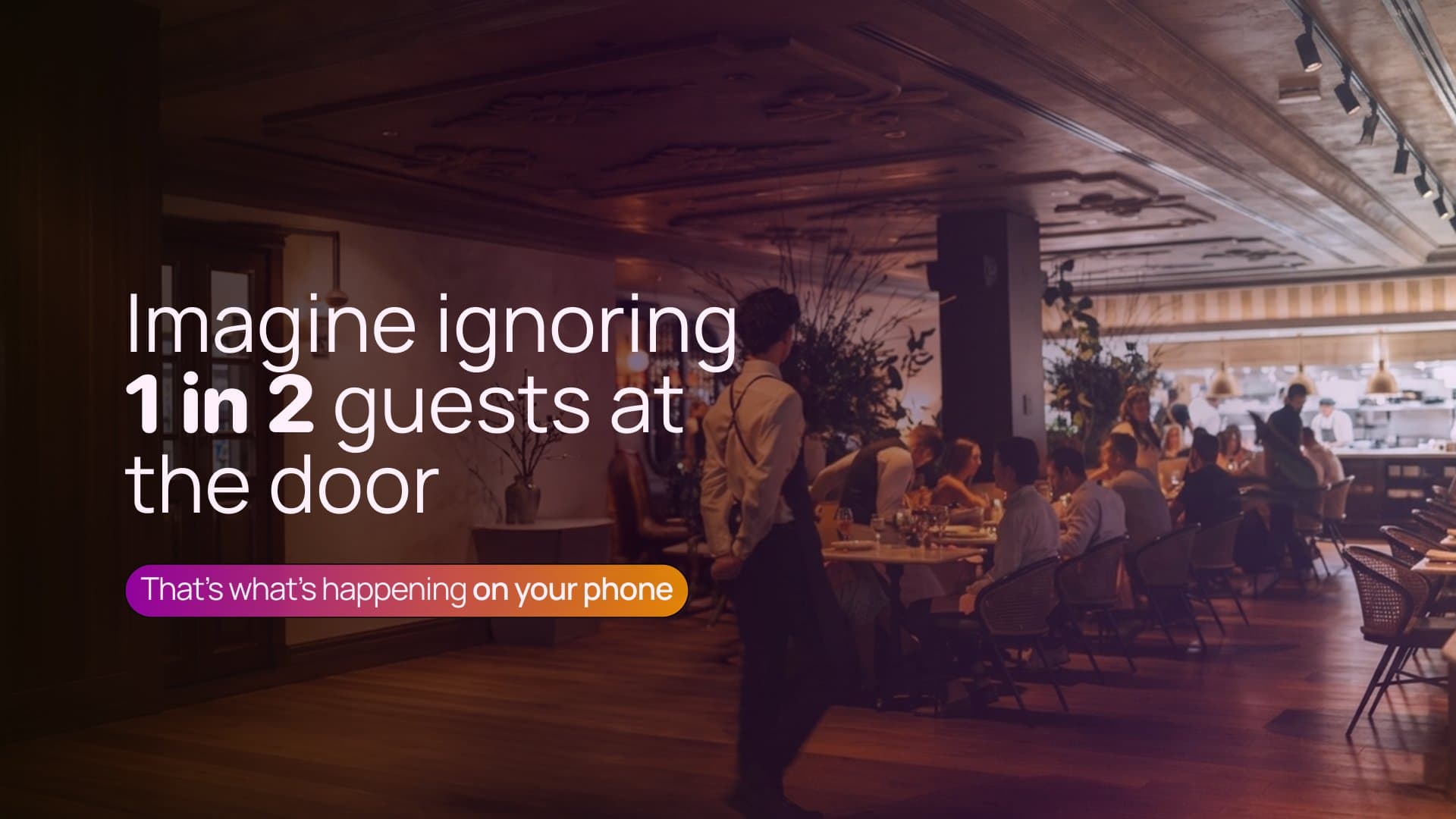
Missed calls may seem like a minor operational issue, but they are one of the most common triggers for negative reviews. When guests call a restaurant, they're often looking for immediate answers: reservations, hours, wait times, or order questions. When those calls go unanswered, frustration builds quickly.
This helps explain why customers leave bad restaurant reviews even before they've had a chance to dine. An unanswered phone call can feel like being ignored, especially when a guest is ready to book a table or place an order.
Over time, repeated missed calls lead to a pattern of unanswered calls and customer frustration, which shows up online as one-star reviews mentioning poor service or lack of responsiveness.
The challenge is that restaurants are busiest precisely when calls peak. During rush hours, staff simply can't answer every phone call without sacrificing in-house service. This creates a reputation risk that's difficult to solve with traditional staffing alone.
Using AI to Capture Every Customer Interaction
Technology offers a practical way to close this gap. Using AI to capture every customer interaction ensures that no call goes unanswered, even during peak service times.
With AI call answering for restaurants, incoming calls are handled consistently, professionally, and instantly. Instead of going to voicemail or ringing endlessly, guests receive clear responses to common questions, help with reservations, and guidance on next steps. This not only reduces frustration but also prevents small issues from escalating into public complaints.
At RestoHost AI, we've seen how this approach helps restaurants prevent lost reservations and complaints by addressing guest needs in real time. For example, Nacho, our AI voice assistant, works seamlessly for brands like Rreal Tacos, answering calls during busy periods and ensuring guests always feel acknowledged.
The result isn't just operational efficiency, it's reputation protection. When guests feel heard and helped, they're far less likely to leave negative feedback and far more likely to share positive experiences.
Improving Customer Experience Before Service Begins
Reputation management doesn't start with food or ambiance. It starts with the very first interaction. For many guests, that happens over the phone.
Improving customer experience before service begins means recognizing the importance of that initial touchpoint. A friendly, responsive call experience sets expectations and builds confidence before a guest ever arrives.
That first impression over the phone often determines how a guest perceives the restaurant as a whole. Clear communication around availability, policies, and wait times reduces uncertainty and creates trust. When expectations are set correctly, guests arrive more relaxed and satisfied, which directly influences how they review their experience later.
AI-powered call handling helps turn routine inquiries into opportunities. By turning calls into positive reviews, restaurants ensure that even simple interactions contribute to a stronger brand image. Guests remember how easy it was to get answers, book a table, or feel welcomed—details that often show up in five-star reviews.
Why Reputation Management Starts With Operations
Many restaurants focus on reputation management after reviews are posted. While responding to reviews is important, preventing negative ones in the first place is even more powerful.
Restaurant reputation management with AI shifts the focus upstream. Instead of reacting to complaints, restaurants address the operational issues that cause them. Missed calls, rushed conversations, and inconsistent messaging are replaced with reliable, always-on communication.
This approach also creates consistency across shifts. Whether a guest calls during a lunch rush or late in the evening, the experience remains the same. That consistency reinforces professionalism and reliability: two qualities that heavily influence online perception.
A Smarter Way to Protect and Build Your Reputation
Reputation isn't built overnight, and it isn't shaped by marketing alone. It's built through hundreds of small interactions that either meet or miss guest expectations.
By using AI to support front-of-house communication, restaurants gain a practical tool for protecting their reputation while enhancing the guest journey. Calls are answered, questions are resolved, and frustrations are avoided before they turn into negative reviews.
At RestoHost AI, we believe technology should support hospitality, not replace it. Tools like Nacho are designed to handle the pressure points—busy phones, peak hours, repetitive questions—so staff can focus on delivering great in-person service.
When every call is answered and every guest feels acknowledged, reputation management becomes less about damage control and more about reinforcing what restaurants already do best: creating positive experiences.
In a world where a single missed call can influence a public review, investing in smarter communication is no longer optional. It's a strategic part of how modern restaurants protect their reputation and build lasting trust with their guests.