Restaurants Already Have the Data. They're Just Not Using It.
Most restaurants build their menus around sales reports. They track best-selling dishes, monitor margins, and adjust pricing based on performance over time. Traditional menu engineering has always focused on what customers ordered and how profitable those orders were.
But the most valuable insights often appear before a transaction ever happens.
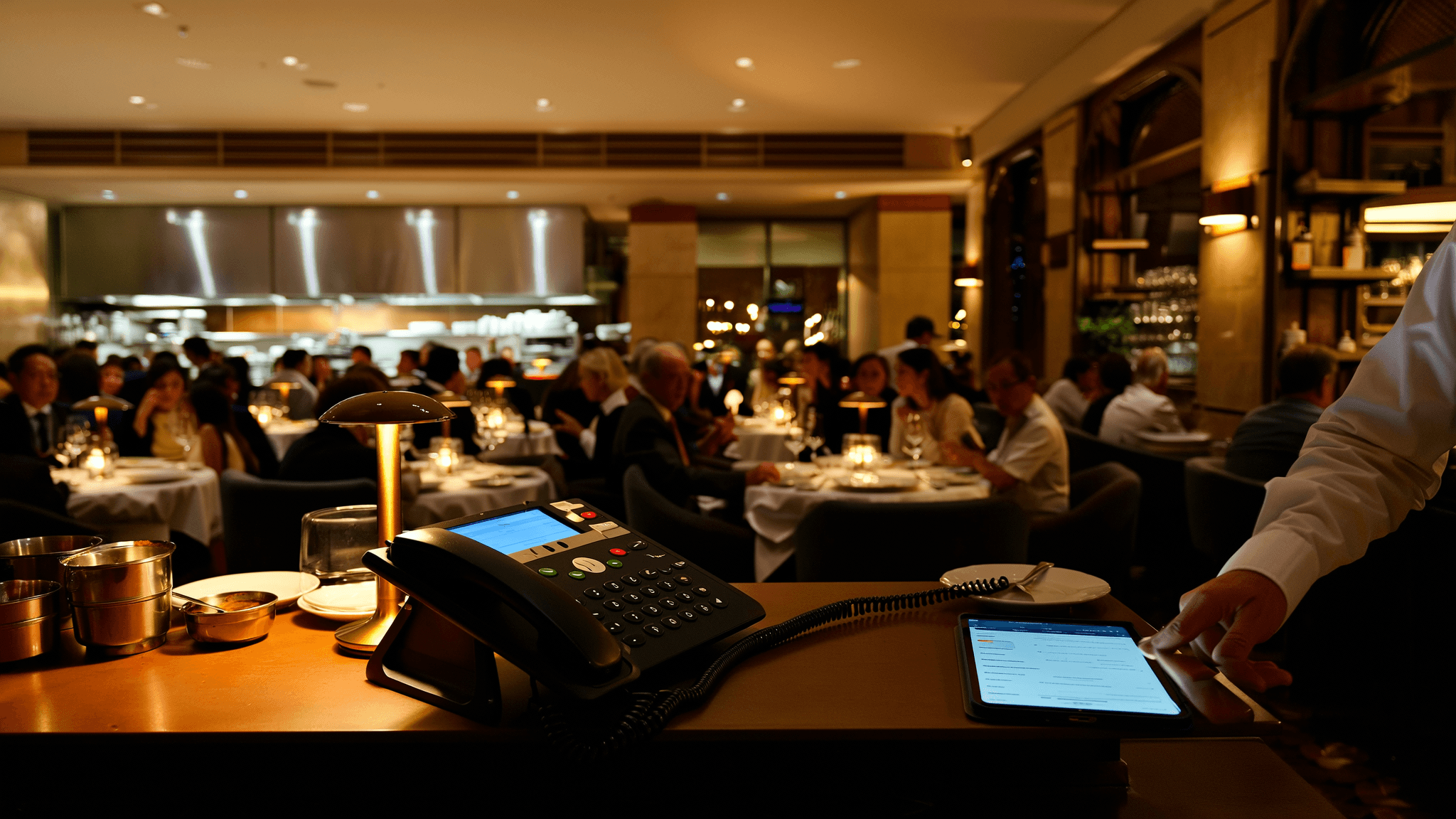
Every day, restaurants receive calls from guests asking questions that never appear inside the POS. Customers ask about gluten-free dishes, vegan options, larger portions, catering trays, allergy accommodations, or seasonal specials. Some callers place an order after getting an answer. Others hang up and move on to another restaurant.
Those conversations reveal demand in real time.
For restaurants focused on restaurant profitability, that information matters just as much as sales data itself. The challenge is that most operators have no system for capturing or analyzing it.
That is starting to change. With the growth of AI in hospitality, restaurants can now turn inbound calls into a continuous source of operational and menu intelligence. Instead of relying on assumptions, operators can finally understand what customers are actively looking for, what they cannot find, and where revenue opportunities already exist.
Traditional Menu Engineering Only Tells Part of the Story
Classic menu engineering frameworks were built around two core metrics: popularity and profit margin. Those numbers still matter, but they only explain completed purchases. They do not explain missed demand.
A restaurant may look at sales reports and conclude there is little interest in gluten-free dining because only a small number of gluten-free dishes sell each week. At first glance, expanding that category may not seem necessary. While the phone data may tell a completely different story.
If a large percentage of callers regularly ask whether more gluten-free options are available, the restaurant is looking at unmet demand, not low interest. Guests are expressing intent that never becomes visible inside the sales report because the transaction never happens.
This is the gap most restaurants operate with today. They measure outcomes while customer intent remains invisible.
Phone calls contain some of the clearest demand signals in hospitality. Guests call when they are close to making a decision. They want confirmation, reassurance, or additional information before placing an order or booking a table. That makes conversational data incredibly valuable for modern menu engineering.
Industry benchmarks referenced in RestoHost operational data estimate that 30–40% of restaurant calls still go unanswered during peak hours. Every missed call represents both potential revenue and lost customer insight.
AI in Hospitality Is Turning Conversations Into Actionable Data
Restaurants already collect large amounts of operational data through POS systems, reservation platforms, delivery apps, and online reviews. AI voice systems add another layer by capturing what customers are actively asking for.
Modern AI platforms can transcribe conversations, identify recurring menu-related questions, detect patterns around dietary restrictions, and surface common friction points automatically. Instead of depending on fragmented staff feedback, operators gain direct visibility into guest behavior at scale. That shift changes how restaurants make decisions.
If callers repeatedly ask about high-protein meals, family bundles, vegan desserts, or catering options, those requests become measurable trends instead of anecdotal observations. Restaurants can identify opportunities earlier and adjust their offerings based on real customer demand.
The technology also highlights operational issues that affect conversion. Guests often call because menu descriptions are unclear, allergy information is incomplete, or ordering policies create confusion. When those questions remain unresolved, customers leave.
According to benchmarks included in the RestoHost data, many restaurant callers abandon calls within 20 to 30 seconds of waiting. After 30 seconds, drop-off rates increase dramatically.
Restaurants already spend significant time optimizing delivery apps and digital ordering flows. The phone channel deserves the same level of attention because it continues to drive high-intent interactions every day.
The Most Valuable Menu Insights Often Never Reach the POS
One of the biggest advantages of AI-powered voice analytics is the ability to uncover opportunities before they appear in revenue reports.
A restaurant may assume customers are not interested in vegan desserts because none currently sell. The call data may show that guests frequently ask whether those options exist. That insight changes the conversation immediately.
The same pattern applies across countless menu categories:
- guests asking for dairy-free alternatives
- customers requesting larger shareable portions
- recurring questions about seasonal items
- demand for late-night ordering
- inquiries about catering packages or office lunches
These are all indicators of intent.
Restaurants that understand those patterns earlier can adapt faster. They can update menu categories, improve labeling, test new dishes, or clarify existing offerings before competitors do.
That creates a more modern approach to restaurant profitability, one built around customer behavior instead of guesswork.
Better Phone Data Creates Better Guest Experiences
The impact of AI voice systems extends beyond menu strategy. Restaurants also improve operational consistency and guest experience.
Aggregated RestoHost benchmarks show that restaurants without dedicated phone systems often operate with answer rates between 60% and 70%, while AI-managed systems can reach answer rates closer to 95–99%.
That difference has a direct effect on revenue capture.
Phone channels continue to generate high-value interactions for reservations, takeout, and catering inquiries. Industry and internal benchmarks referenced in the RestoHost materials also suggest that phone orders often produce higher average tickets than online orders.
At the operational level, AI systems also reduce friction for staff. Hosts can focus on in-person guests instead of juggling incoming calls during peak service hours. Managers gain visibility into recurring customer questions and policy inconsistencies. Multi-location brands can maintain more consistent guest communication across every restaurant.
Most importantly, restaurants gain a clearer understanding of what customers expect before they place an order.
The Future of Menu Engineering Starts With Listening
The next generation of menu engineering combines transactional data with conversational intelligence. Sales reports still matter, but they only tell part of the story. Customer conversations reveal the opportunities, frustrations, and expectations that shape future demand.
Restaurants already possess that information. It exists inside every inbound call.
For years, those insights disappeared the moment the conversation ended. Today, with advances in AI in hospitality, restaurants can finally capture and analyze that data in a structured way.
The operators who grow fastest over the next decade will not simply react to sales trends. They will identify customer intent earlier, adapt faster, and make decisions based on what guests are actively asking for in real time.
That is where smarter restaurant profitability begins.
Let RestoHost capture the data your POS misses and turn customer conversations into smarter menu decisions, stronger guest experiences, and measurable revenue growth.