The Moment Most Restaurant Marketing Funnels Break
Restaurants are investing heavily in digital marketing. Between Instagram ads, Google campaigns, Local SEO, influencer collaborations, and reservation platforms, attracting attention online has never been more competitive. But for many operators, the real breakdown happens after the customer decides to call.
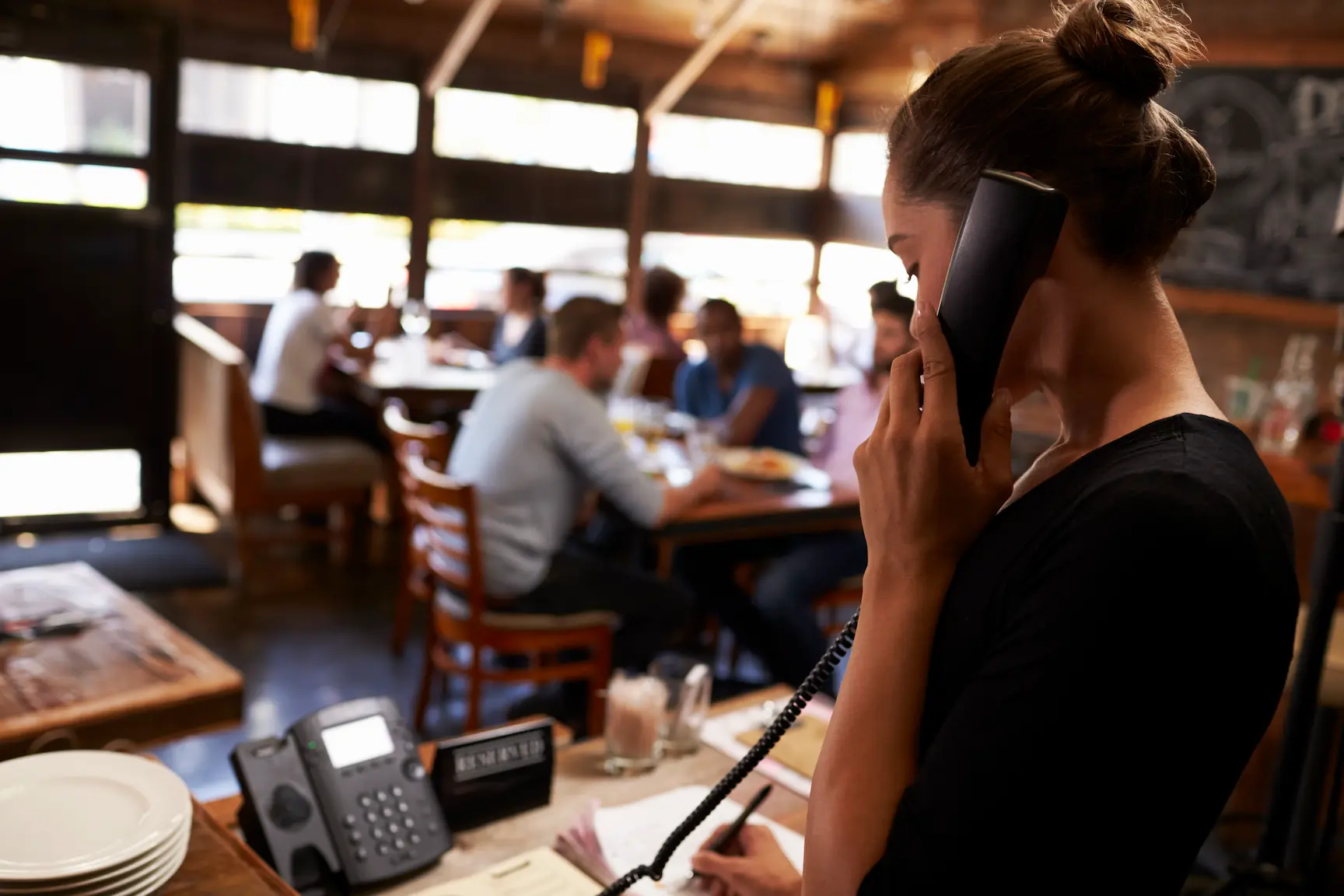
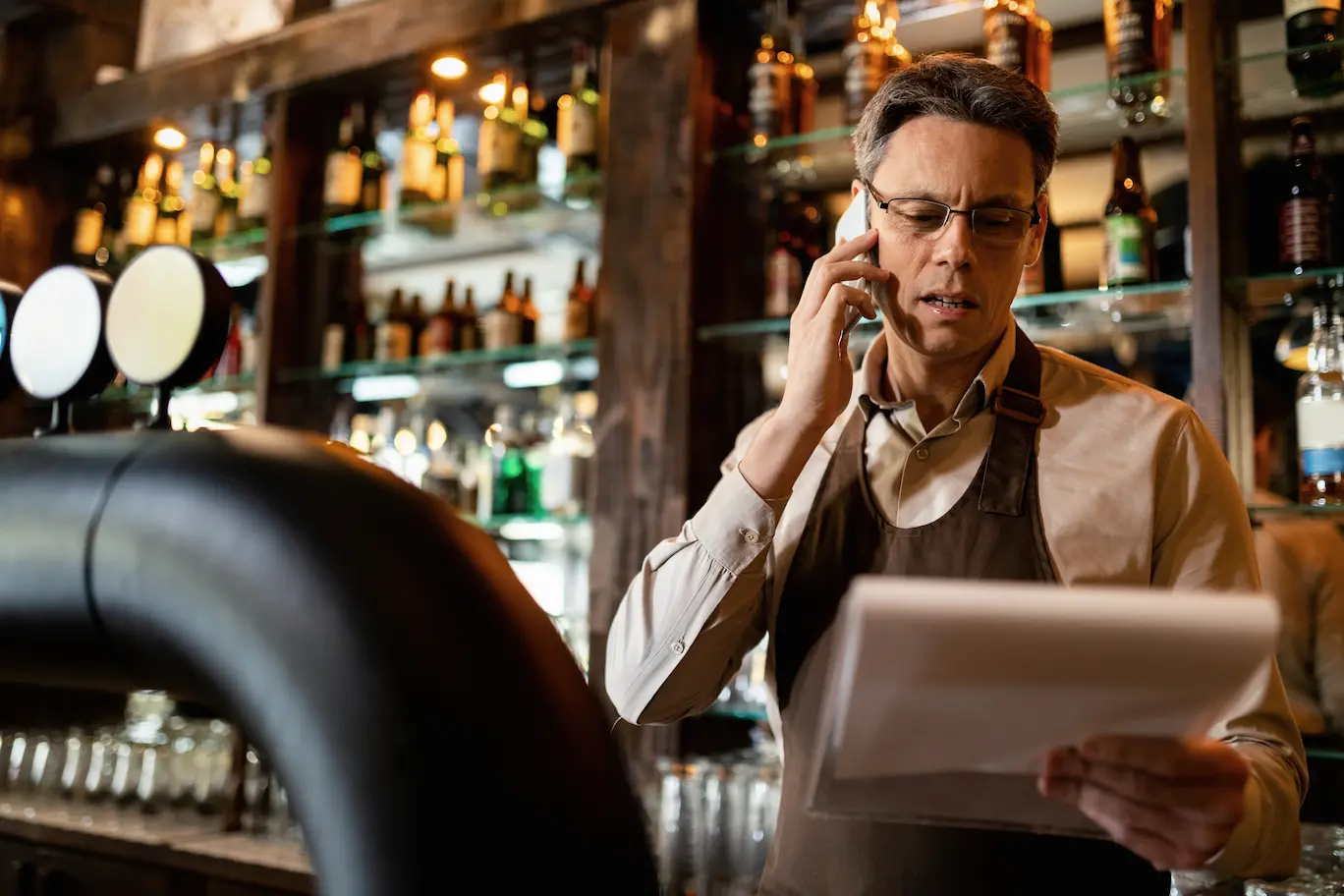
A guest searches for a restaurant nearby, finds your Google Business Profile, taps "Call," and waits. The host is helping a walk-in table. Another employee is already taking an order. A third call is ringing in the background. After 30 or 40 seconds, the customer hangs up and calls somewhere else.
From a marketing perspective, that customer was already won. The restaurant appeared in search, generated interest, and drove the call. The problem happened at the conversion point: nobody answered fast enough to turn that demand into a reservation or order.
According to Popmenu's The State of the Restaurant Phone report, restaurants without a dedicated phone system average a 60–70% answer rate, and that number drops significantly during peak hours. HungerRush industry data estimates that 30–40% of inbound restaurant calls go unanswered during busy periods.
For most restaurants, those missed opportunities are invisible. They don't appear in the POS, they don't trigger a CRM alert, and they rarely show up in reporting. But they directly affect revenue, guest experience, and marketing performance.
This is why phone handling has become part of modern digital marketing for restaurants. A campaign doesn't end when someone clicks an ad or finds your business on Google. It ends when the customer successfully books a table, places an order, or gets the information they need to move forward.
The Hidden Conversion Problem Behind Missed Calls
Restaurants spend a lot of time improving traffic acquisition. Fewer spend time optimizing what happens after interest is generated.
In ecommerce, this conversation is called Conversion Rate Optimization (CRO). Restaurants often think about CRO in terms of websites and online ordering flows, but one of the biggest conversion points in hospitality is still the phone call.
A customer calling directly usually has high intent. They want to reserve a table, place a takeout order, ask about catering, confirm availability, or speak to someone before making a decision. Industry data from the Square Restaurant Report and restaurant call-conversion benchmarks show that phone orders often generate higher average tickets than online orders. Customers calling directly also tend to convert at a higher rate because the interaction is immediate and guided instead of fully self-service.
The problem appears once demand reaches the restaurant. During peak hours, most teams simply don't have the operational capacity to answer every call consistently. Hosts are juggling walk-ins, reservations, waitlists, and guest questions at the same time. According to Toast Labor Report benchmarks, hosts and managers can spend up to 20–35% of peak-hour shifts managing phone interruptions.
That creates two operational problems simultaneously. Guests inside the restaurant receive less attention, and callers experience longer wait times.
And customer patience is short. Marchex benchmarks show that abandonment rates rise sharply after 30 seconds of waiting, while more than 80% of callers hang up after 60 seconds. According to Hiya's State of the Call Report, 62% of callers never leave a voicemail.
For restaurants running paid ads or investing in Local SEO, that means marketing dollars are generating demand that never converts.
Why Local SEO Depends on Phone Performance
Most restaurants associate Local SEO with reviews, keywords, photos, and Google Business Profile optimization. Those elements matter, but they are only part of the picture.
Google increasingly prioritizes businesses that create strong engagement and positive customer experiences. When guests repeatedly encounter unanswered calls, long hold times, or inconsistent information, the frustration often appears publicly in reviews. Comments like "nobody answers the phone" or "impossible to reach" quickly become part of a restaurant's online reputation. Over time, those reviews affect how potential guests perceive the restaurant and weaken the overall performance of its Google Business Profile in local search.
Phone responsiveness also affects the overall quality of the guest journey connected to Google Business Profile interactions. A strong profile may successfully generate calls, but if those calls are not answered consistently, the acquisition funnel weakens.
This is especially important for restaurants that rely heavily on reservations, takeout, or large-party inquiries. According to industry benchmarks, phone calls still represent a significant percentage of off-premise revenue for full-service and fine dining concepts.
How RestoHost Fits Into the Restaurant Funnel
RestoHost was designed for restaurants that already generate demand but struggle to capture every opportunity consistently.
The platform acts as an AI phone agent trained around each restaurant's menu, policies, hours, reservation flow, and brand voice. Instead of routing customers through complicated phone trees or forcing them into voicemail, RestoHost handles conversations naturally and instantly.
Restaurants using RestoHost commonly improve answer rates from roughly 55–65% to 95–99%, based on aggregated client benchmarks. That difference affects far more than operations. It improves reservation capture, reduces abandoned calls, increases takeout conversion, and creates a smoother guest experience from the very first interaction.
The system also gives restaurants something most operators have never truly had: visibility into phone performance. Missed-call patterns, after-hours demand, reservation intent, and conversion opportunities become measurable instead of invisible.
For multi-location brands, that consistency matters even more. Different teams answer differently, policies become inconsistent, and customer experience changes from store to store. RestoHost helps standardize communication across every location while maintaining the restaurant's tone and operational rules.
Most importantly, it allows restaurants to scale marketing without overwhelming the front desk.
Checklist: Signs Your Restaurant Is Losing Revenue Through the Phone
- Guests regularly complain about unanswered calls in reviews
- Peak-hour calls frequently go to voicemail
- Staff struggle to balance in-person service and phone coverage
- Reservation inquiries are missed after hours
- Marketing campaigns increase call volume but not conversions
- Managers have no visibility into missed-call data
- Hold times regularly exceed 30 seconds
- Different locations provide inconsistent information
Frequently Asked Questions
Why is phone coverage part of digital marketing for restaurants?
Because the customer journey doesn't end when someone finds your restaurant online. Calls are often the final conversion step between discovery and revenue.
How does phone performance affect Local SEO?
Unanswered calls and poor guest experiences often lead to negative reviews and weaker engagement signals connected to your Google Business Profile.
What is phone drop-off?
Phone drop-off refers to customers abandoning calls before speaking with someone or completing an action like a reservation or order.
Why can't hosts handle increased marketing demand alone?
During peak hours, hosts are already managing seating, reservations, and guest flow. High call volume creates operational overload and slower response times.
How can RestoHost help restaurants improve conversion rates?
RestoHost answers every call instantly, captures reservation and takeout demand 24/7, reduces abandonment, and helps restaurants convert more inbound interest into revenue.
Conclusion
Restaurants already spend heavily to generate demand through Local SEO, paid ads, and social campaigns. The challenge is making sure every customer who reaches out actually gets an answer.
The phone remains one of the highest-intent channels in hospitality, especially for reservations, takeout, and large-party inquiries. That means every missed call represents revenue that marketing already paid to generate.
Restaurants that improve phone responsiveness don't just improve operations. They improve conversion rates, customer experience, and the overall performance of their marketing funnel.
That's where platforms like RestoHost become part of the strategy. By answering every call instantly and handling guest conversations consistently, restaurants can protect the demand they already worked hard to generate.