Restaurant operations today are under constant pressure. Customers expect faster service, fewer mistakes, and seamless experiences, while teams juggle staffing shortages, peak-hour stress, and rising costs.
For many restaurant owners, the question is no longer if automation should be part of the operation, but how to implement it in a way that actually improves efficiency.
Restaurant AI automation has emerged as a practical solution, not to replace people, but to support them. By handling repetitive tasks, capturing every customer interaction, and improving communication between front and back of house, AI helps kitchens move faster and operate with greater consistency.
When Manual Processes Are Slowing Restaurants Down More Than You Think
Many restaurants still rely heavily on manual processes that quietly slow everything down. Inefficient restaurant workflows often show up as missed calls, handwritten notes, verbal handoffs, and fragmented communication between staff.
These operational bottlenecks in kitchens create small delays that compound quickly. A missed phone call turns into a lost reservation. An unclear order slows the kitchen. A distracted staff member juggles too many tasks at once. None of these issues feel critical on their own, but together they create stress, mistakes, and inconsistent service.
As volume increases, manual systems simply don't scale. What worked during slower shifts becomes fragile during peak hours, leaving teams reactive instead of in control.
How AI Assistants Are Reshaping Restaurant Operations Behind the Scenes
Along these lines, we have a solution that streamlines the kitchen while allowing staff to work at their best. AI assistants for restaurant operations are designed to remove friction from daily challenges.
Restaurant voice assistants answer calls instantly, handle common questions, capture reservations, and route information accurately without interrupting staff.
Instead of relying on someone to pick up the phone during a rush, AI ensures that every call is answered professionally and consistently. Automated task handling in restaurants means fewer distractions for the kitchen and more focus on execution.
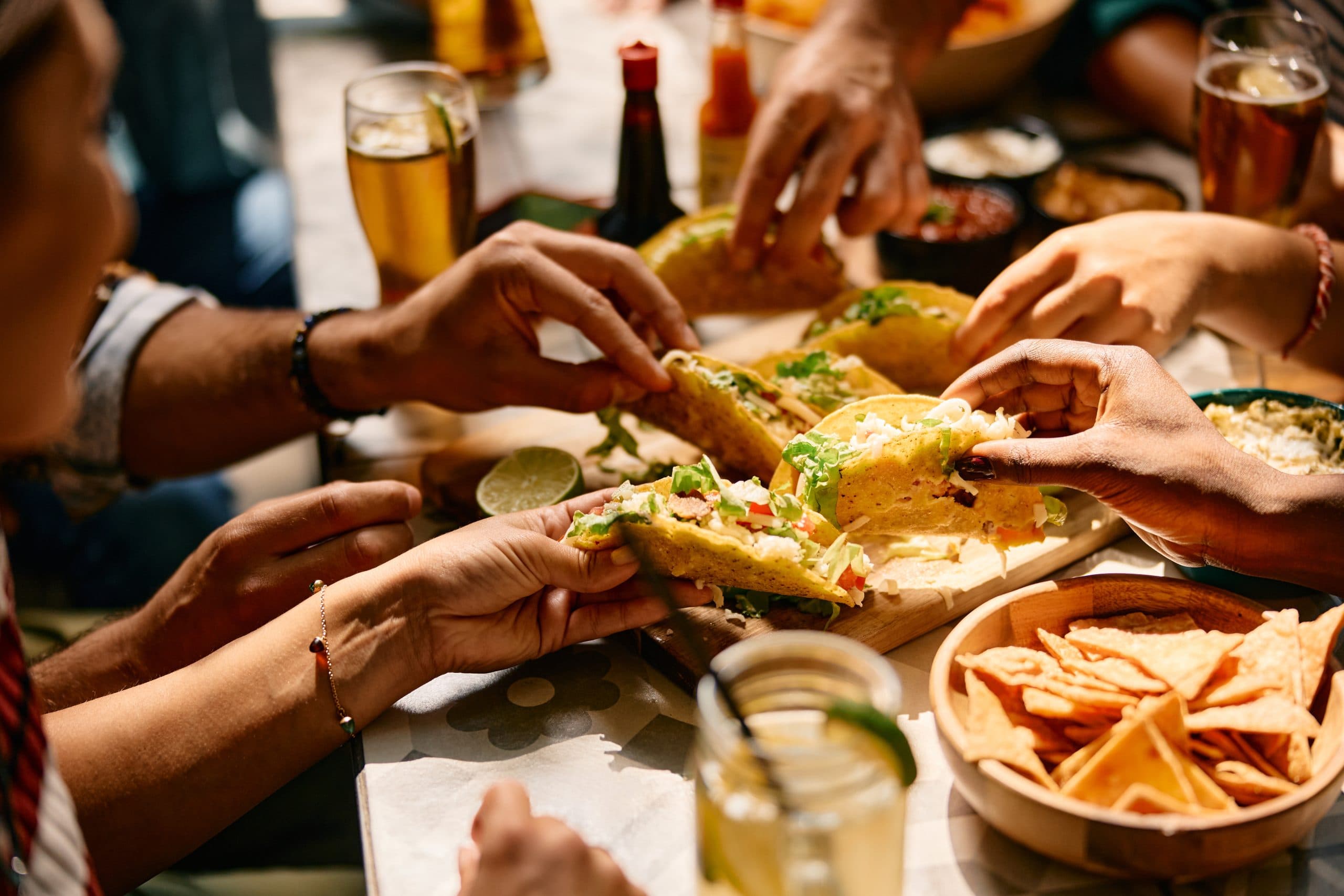
At RestoHost, this is exactly how AI is used in real environments. Voice assistants like Nacho, currently supporting restaurants such as Rreal Tacos, manage customer interactions smoothly so teams can stay focused on service and food quality. The result isn't just convenience, it's operational relief.
Where Automation Starts Improving Kitchen Efficiency in Real Life
So, automation improving kitchen efficiency goes beyond moving faster. It's about creating a system where the kitchen can operate with fewer interruptions and greater predictability. When orders enter the workflow in a clear, structured way, bottlenecks begin to disappear—especially during peak hours.
One of the biggest gains comes from reducing human error in kitchens. As mentioned earlier, rushed phone calls, misheard details, or incomplete notes are common pain points that disrupt service and frustrate staff. AI-powered automation removes that friction by capturing every order accurately and delivering consistent information to the kitchen, every single time.
As these improvements stack up, the impact becomes noticeable. The kitchen runs with more rhythm, teams feel more in control, and service remains steady even under pressure. Efficiency stops being something you chase during a rush and becomes something built into how the operation runs day to day.
Connecting Front of House and Kitchen With AI
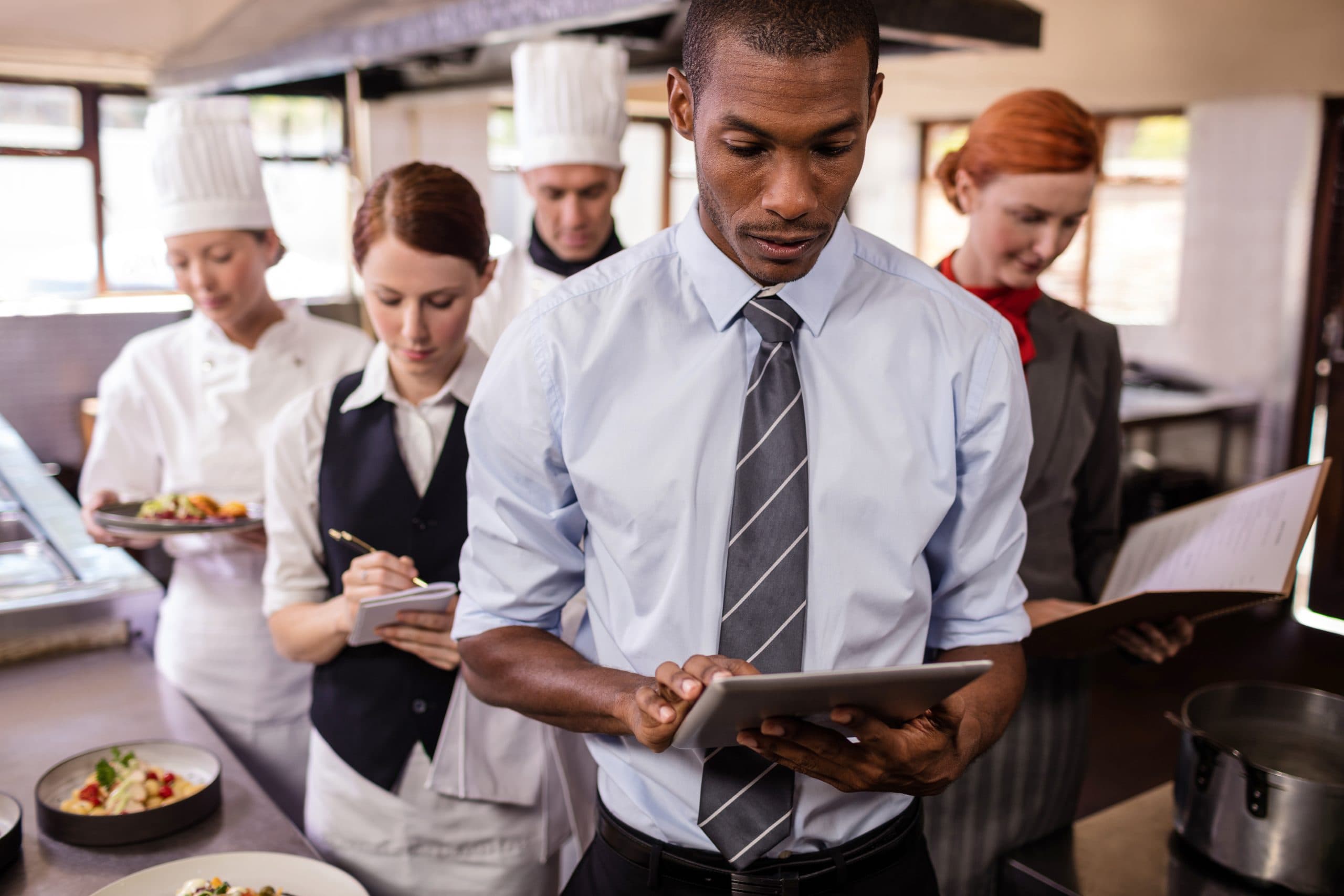
Connecting front of house and kitchen with AI creates real-time communication between teams, ensuring everyone works from the same information.
AI systems help translate customer interactions directly into operational inputs. Reservations, special requests, and order details are captured cleanly and delivered without delay. This improves order accuracy and speed, especially during peak service times.
When communication flows smoothly, tension drops. Staff trust the system, and the kitchen can focus on execution instead of clarification. The entire operation feels more coordinated and professional.
Scalable Restaurant Operations With AI
Technology supporting restaurant growth isn't about complexity, it's about stability. AI creates a foundation that holds up under pressure, whether during a weekend rush or long-term expansion.
Instead of hiring more people just to manage calls or repetitive tasks, AI supports teams by absorbing operational noise. This allows restaurants to grow without sacrificing service quality or burning out employees.
At RestoHost, the goal is not to overwhelm restaurants with technology, but to integrate AI in a way that feels natural. Automation becomes part of the workflow, quietly improving speed, accuracy, and customer satisfaction.
This is no longer a futuristic idea. It's a practical tool that helps kitchens operate more efficiently, teams stay focused, and customers receive better service from the very first interaction.
By capturing every call, reducing errors, and improving coordination, AI assistants help restaurants move faster without losing quality. And when automation works in the background, the kitchen can do what it does best: deliver great food and great experiences.