Transforming customer service in restaurants is evident through enhanced efficiency and personalized experiences. AI-driven tools, such as chatbots and virtual assistants, handle reservations and inquiries around the clock, reducing wait times. These systems analyze customer preferences, allowing restaurants to offer tailored recommendations, which improves satisfaction. Furthermore, AI helps manage inventory and predict busy periods, ensuring staff are prepared. Overall, AI is revolutionizing the dining experience, making it more enjoyable and seamless for patrons
Revolutionizing the restaurant industry with AI innovations
Customer service in restaurants is a crucial element that directly impacts the dining experience and overall satisfaction of patrons. It encompasses all interactions between staff and customers, from the moment guests walk through the door to the time they leave. Effective customer service includes greeting guests warmly, taking orders accurately, addressing special requests, and ensuring timely delivery of food and beverages. Additionally, it involves clear communication, attentive listening, and a friendly demeanor, which can turn a simple meal into a memorable experience.
In a competitive industry where diners have countless options, exceptional customer service can differentiate a restaurant from its rivals. Positive interactions not only foster customer loyalty but also encourage word-of-mouth recommendations. Training staff to excel in customer service is essential, as it contributes to a welcoming atmosphere and enhances the restaurant’s reputation. Ultimately, customer service in restaurants is about creating a delightful experience that keeps patrons coming back for more.
How AI is transforming customer service in restaurants is a dynamic shift that enhances efficiency and personalization. Artificial intelligence technologies, such as chatbots and voice assistants, streamline the ordering process by allowing customers to place orders via mobile apps or interactive kiosks. These systems can analyze customer preferences and past orders, enabling them to make tailored recommendations and provide a more personalized dining experience. For instance, a returning customer might receive suggestions based on their previous choices, enhancing satisfaction and encouraging repeat visits.
Additionally, AI-powered analytics help restaurant managers understand customer behavior and optimize menu offerings based on data trends. Real-time feedback mechanisms can be integrated, allowing diners to rate their experience instantly, giving restaurants valuable insights to improve service. Furthermore, AI can assist in managing reservations and waitlists, minimizing wait times and ensuring a smoother dining experience. Overall, the integration of AI in customer service not only elevates the operational efficiency of restaurants but also fosters a deeper connection between the establishment and its patrons, creating a more enjoyable and memorable dining experience.
The new tools for you restaurant means AI
Artificial intelligence technology is transforming the restaurant industry by enhancing efficiency and improving customer experiences. One significant application is in inventory management, where AI algorithms predict stock needs based on past sales data and seasonal trends. This minimizes waste and ensures popular items are always available.
Moreover, AI technology streamlines customer interactions. Restaurants are increasingly using chatbots to handle reservations, answer questions, and take orders, providing instant responses and reducing wait times. This not only improves service speed but also allows staff to focus on providing a high-quality dining experience.
Additionally, AI can analyze customer feedback and preferences, enabling restaurants to tailor their menus and marketing strategies. By understanding what diners love, establishments can create personalized promotions that resonate with their audience. Overall, artificial intelligence technology in restaurants leads to smarter operations and a more enjoyable experience for customers, positioning businesses for success in a competitive market.
The answer for a better user experience
Restaurant automation refers to the integration of technology to streamline operations, enhance efficiency, and improve customer service in dining establishments. This can include various systems such as point-of-sale (POS) systems, online ordering platforms, and kitchen display systems.
For example, automated ordering kiosks allow customers to place their orders directly, reducing wait times and minimizing human error. In the kitchen, automation tools can help manage food preparation and cooking processes, ensuring consistency and speed.
Additionally, restaurant automation can extend to inventory management, where software tracks stock levels and predicts ordering needs, reducing waste and saving costs. By embracing restaurant automation, establishments can create a smoother workflow, enhance customer experiences, and ultimately drive profitability in a competitive market.
AI virtual assistants are revolutionizing the restaurant industry by offering numerous benefits that enhance both operational efficiency and customer satisfaction. Firstly, they streamline communication; customers can easily place orders or make reservations through chatbots on websites or social media, reducing wait times and freeing staff to focus on in-person interactions.
Furthermore, AI virtual assistants can analyze customer preferences and past orders to provide personalized recommendations, enhancing the dining experience. For instance, if a customer frequently orders vegan dishes, the assistant can highlight new vegan menu items.
Additionally, these assistants can help with inventory management by predicting stock needs based on sales trends, ensuring that popular items remain available while minimizing waste. They also assist in gathering customer feedback, allowing restaurant owners to make informed decisions for improvements. Overall, AI virtual assistants contribute to a more efficient, customer-centric environment, helping restaurants thrive in a competitive landscape.
Enhanced customer experience is essential in today’s competitive restaurant landscape, as it directly impacts customer loyalty and revenue. With numerous dining options available, restaurants must prioritize creating memorable experiences to stand out. A positive customer experience begins with attentive service and extends to every facet of the dining journey, from ambiance to menu selection.
For example, implementing personalized touches, such as remembering a regular’s favorite dish or celebrating special occasions with complimentary desserts, significantly enhances customer satisfaction. Additionally, leveraging technology, like mobile apps for easy ordering and payment, can streamline the process and reduce wait times, making customers feel valued and understood.
Moreover, enhanced customer experience fosters word-of-mouth marketing. Satisfied diners are more likely to share their experiences on social media or recommend the restaurant to friends and family. This organic promotion can be invaluable.
Ultimately, investing in an enhanced customer experience not only cultivates a loyal customer base but also drives repeat visits, increases positive reviews, and boosts overall profitability, making it a necessity for any restaurant aiming to thrive.
Future with the name of technology
Future trends in AI for restaurant customer service are poised to redefine how dining establishments interact with their patrons, making it crucial for restaurants to adapt to stay competitive. One significant trend is the rise of AI-driven chatbots, which can provide instant support for reservations, menu inquiries, and order modifications. This not only enhances customer satisfaction by reducing wait times but also allows staff to focus on in-person service.
Another important development is the use of predictive analytics. Restaurants can analyze customer data to anticipate dining trends and preferences, enabling them to tailor offerings and promotions effectively. For instance, if data shows an increase in demand for plant-based dishes, restaurants can adjust their menus proactively.
Additionally, voice recognition technology is emerging as a convenient way for customers to place orders through smart devices, making the process seamless and engaging.
By embracing these future trends, restaurants can create a more efficient and personalized dining experience, ultimately driving loyalty and boosting revenue in an increasingly tech-savvy market. Staying ahead of these trends is vital for ensuring long-term success.
The future of AI in restaurants is set to revolutionize the dining experience, creating more personalized and efficient service. One key development is the integration of AI-driven systems for inventory management, allowing restaurants to predict ingredient needs based on customer preferences and seasonal trends. This can significantly reduce waste and optimize costs.
Moreover, AI can enhance personalized marketing by analyzing customer behavior, enabling restaurants to tailor promotions and menu recommendations to individual tastes. Imagine receiving a suggestion for a new dish based on your past orders—this level of personalization fosters loyalty.
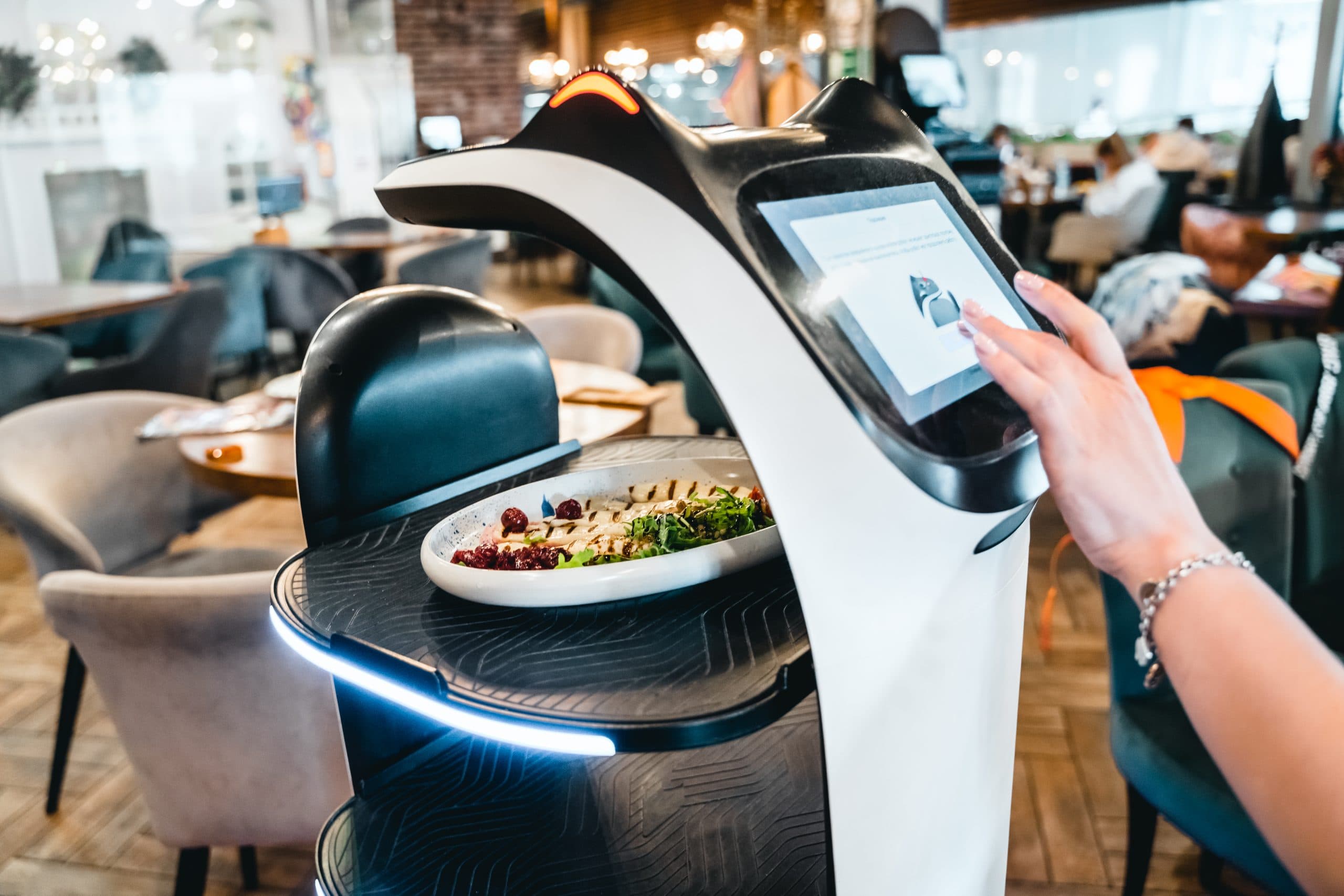
Furthermore, robotic assistants are emerging in the kitchen and dining areas, streamlining food preparation and delivery, ensuring consistency in quality and service speed.
As these technologies evolve, the future of AI in restaurants promises to not only improve operational efficiency but also create memorable dining experiences, making it essential for establishments to embrace these innovations to thrive in a competitive market.
AI-powered customer service is transforming the way businesses interact with their clients, particularly in the restaurant industry. This technology utilizes machine learning algorithms and natural language processing to provide instant support and enhance customer interactions. For instance, AI chatbots can handle multiple inquiries simultaneously, assisting customers with reservations, menu selections, and even loyalty program questions at any time of day.
These systems analyze customer data to offer personalized recommendations, improving the dining experience. If a customer frequently orders vegan dishes, the AI can suggest new plant-based options tailored to their preferences. Additionally, AI-powered customer service can identify and address potential issues before they escalate, such as noticing a decline in customer satisfaction through feedback analysis.
By automating routine inquiries, restaurant staff can focus on providing exceptional in-person service, enhancing overall efficiency. Ultimately, AI-powered customer service not only improves operational productivity but also fosters a stronger connection between restaurants and their patrons, paving the way for increased loyalty and higher revenue in a competitive landscape.