The Rise of AI Voice Technology in Restaurants
AI voice technology is revolutionizing how restaurants communicate with guests. Whether it's making a reservation, checking wait times, or asking about the menu, customers are increasingly comfortable speaking to an automated assistant instead of waiting for staff availability. This creates a more seamless experience and allows restaurants to handle multiple inquiries simultaneously.
One of the key advancements in this field is voice recognition AI. By accurately capturing and interpreting spoken language, restaurants can reduce errors in orders, ensure correct reservation details, and speed up communication with customers. A guest asking for a gluten-free option, for example, can be understood instantly and directed toward the right menu items without human intervention.
Another essential component is natural language processing (NLP). NLP enables the system to understand context, tone, and intent, ensuring that conversations feel human-like rather than robotic. For restaurants, this means providing customers with a more authentic interaction that builds trust and satisfaction. It also makes the system adaptable to different accents, dialects, and speaking styles, which is vital in diverse customer markets.
Beyond reservations and orders, AI voice technology is expanding into areas like drive-thru ordering and phone-based meal customization. These applications speed up service during peak hours and reduce miscommunication, resulting in happier guests and more efficient staff operations. For customers with accessibility needs, such as those with limited vision, AI voice technology also ensures a more inclusive dining experience.
AI Customer Assistant for Smarter Hospitality
An AI customer assistant is a powerful tool that helps restaurants provide fast, consistent, and reliable service. By automating routine tasks, such as answering FAQs or checking reservation availability, restaurants free up their staff to focus on delivering exceptional in-person experiences.
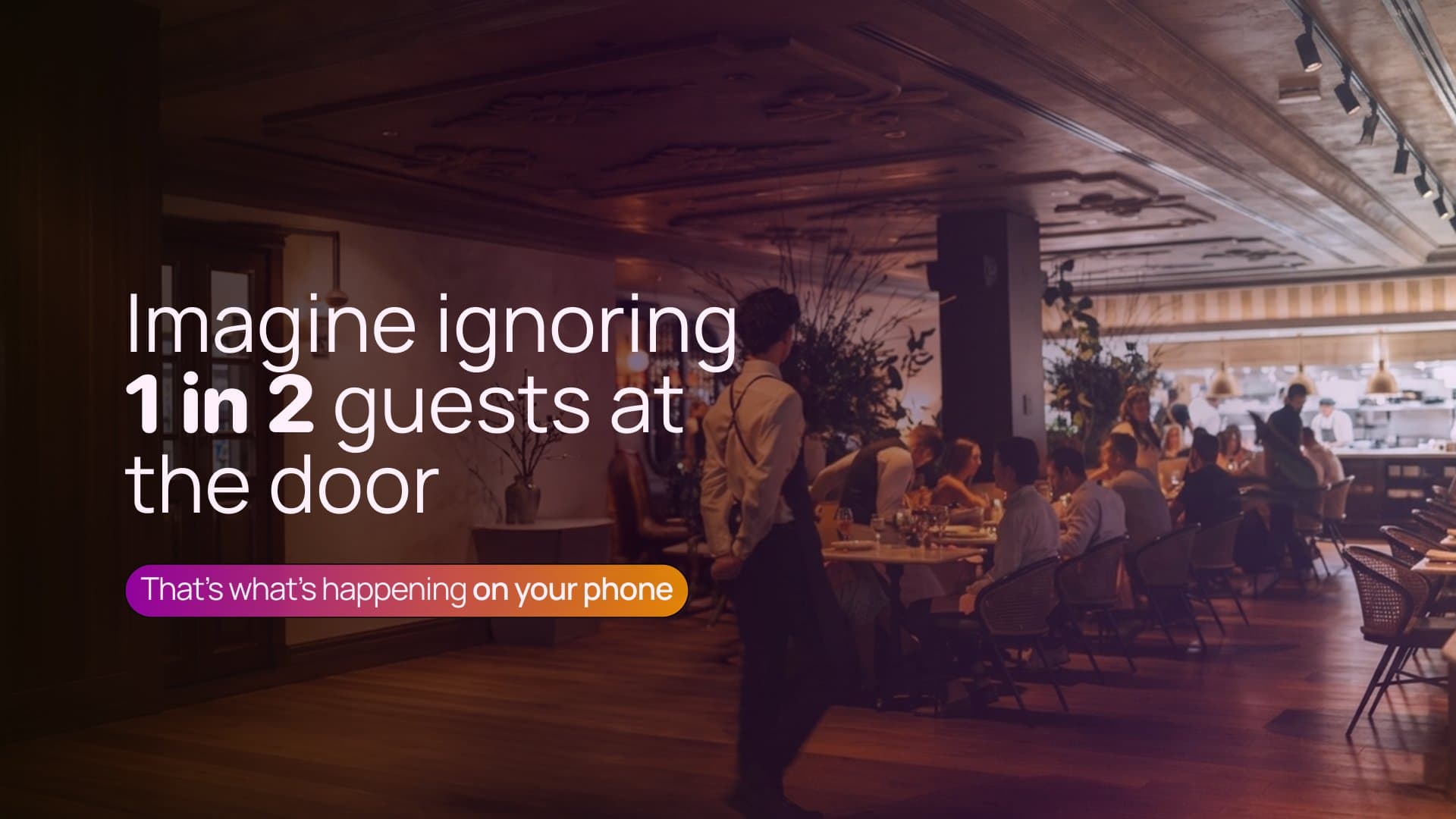
One major advantage is automated customer support. Guests no longer need to wait for staff to pick up the phone or respond to an email. Instead, they can interact instantly with an AI assistant that provides accurate information, saving both time and effort. During peak hours, when staff are busy serving tables, an AI assistant ensures that no customer inquiry goes unanswered.
AI-powered assistants also fall under the broader category of AI solutions designed for the hospitality industry. These solutions can be tailored to each restaurant's unique needs, whether it's managing guest loyalty programs, handling peak-hour traffic, or even offering personalized recommendations based on customer preferences. For example, an AI assistant might suggest popular dishes to a first-time guest or promote a seasonal special, driving upsell opportunities.
Another key benefit is multilingual support. In tourist-heavy areas, restaurants often serve guests who don't speak the local language fluently. An AI assistant can instantly switch between languages, helping customers feel comfortable and eliminating barriers to communication.
Finally, AI customer assistants operate 24/7, providing round-the-clock availability. This means restaurants can capture reservations or answer inquiries even outside business hours, maximizing opportunities for customer engagement while reducing operational costs.
Restaurant Automation AI for Seamless Operations
Restaurant automation AI is redefining efficiency in the hospitality sector. By streamlining everything from reservations to payment processing, it ensures smooth operations that benefit both staff and customers.
A crucial element in this area is the AI ordering system. With voice-enabled ordering, guests can place their requests naturally, whether for dine-in or delivery. This minimizes mistakes, reduces staff workload, and accelerates service, leading to higher customer satisfaction. Some restaurants are even experimenting with kiosks powered by conversational AI, offering customers a fast and intuitive way to place and customize their meals.
Beyond ordering, restaurants are also embracing smart restaurant solutions. These systems integrate with conversational AI services to handle inventory tracking, staff scheduling, and even predictive analytics for demand planning. For example, AI can predict which dishes will be most popular during a specific week and ensure the right stock levels are maintained, reducing food waste and saving money.
Automation also extends to payment processing. AI-driven solutions can enable contactless checkout, reducing wait times for guests and minimizing errors during busy hours. Combined with digital receipts and loyalty program integration, this creates a seamless end-to-end experience.
For managers, restaurant automation AI provides valuable data insights. By analyzing customer interactions, preferences, and peak demand times, AI helps operators make smarter business decisions. Over time, these insights lead to better resource allocation, more efficient staffing, and improved profitability.
Final thoughts
The integration of a conversational AI service into restaurant operations is no longer a futuristic idea—it's a practical solution already driving real results. By combining AI voice assistants, customer support automation, and restaurant-wide smart solutions, businesses can enhance efficiency, reduce errors, and create a better experience for guests.
Looking ahead, conversational AI will continue to evolve. Future innovations may include advanced personalization, where AI not only remembers a customer's past orders but also suggests new items based on preferences. Restaurants that adopt these tools early will position themselves as leaders in convenience, customer satisfaction, and operational excellence. For restaurants aiming to stay ahead, adopting conversational AI is more than just keeping up with technology—it's about building lasting connections with customers through intelligent, natural interactions. With tools like Restohost.ai, the future of dining is smarter, faster, and more customer-focused than ever before.